Innovation at Work: How Technology and IP Are Shaping the Future of Agriculture
National Agriculture Month honors those sustaining our global food system while highlighting agriculture's evolution through experience, research, and new technology. Many organizations now integrate innovation into their business culture as a collaborative, ongoing effort rather than a separate function. As we consider this evolving landscape, it is important to examine how technology and intellectual property (IP) are helping drive this transformation.
Advancements in sensors, analytics, robotics, and biological systems help producers enhance efficiency and unlock new opportunities. As these technologies emerge, IP protection enables companies to invest in R&D and safeguard innovations. Effective IP strategies complement existing practices by supporting long-term growth and competitive differentiation.
Robust IP protection is crucial for scaling and commercializing new ag-tech ideas. Patents, trademarks, and trade secrets let innovators invest confidently and attract partners. Strong IP frameworks help build lasting impact.
Below are three examples of modern innovations that illustrate the diverse ways technology is advancing agricultural progress. These examples provide a closer look at how different solutions are being applied across the sector.
1. BeeHero: Precision Pollination Powered by Acoustics
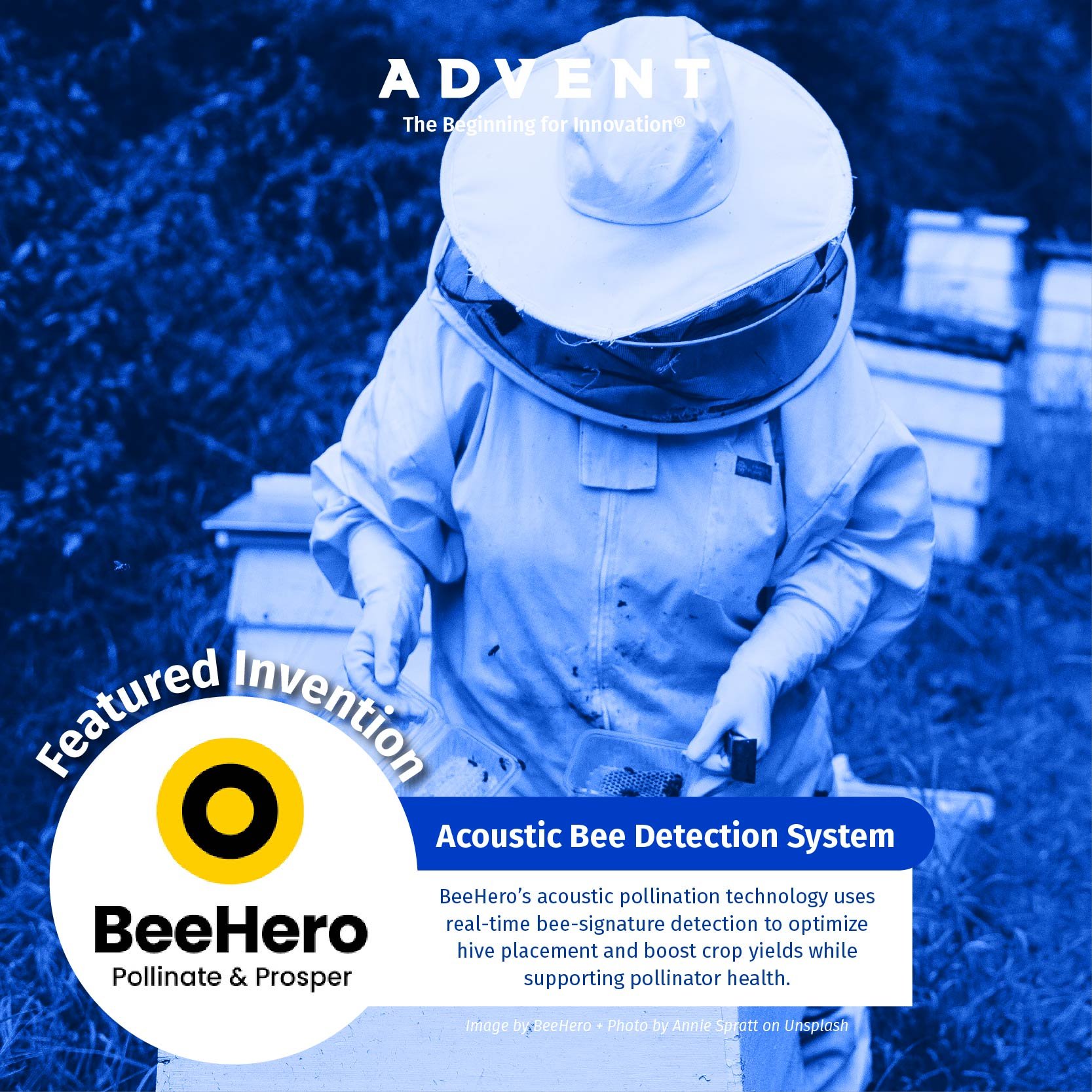
Pollination is essential to many crop systems, and growers continually look for ways to better understand and support it. BeeHero’s acoustic detection platform provides real‑time insights into bee activity within orchards and fields, helping growers align hive placement with crop needs. This approach can support more informed decision‑making across pollinator‑dependent crops such as almonds, berries, apples, and cherries.
By transforming pollination patterns into actionable data, tools like BeeHero give producers another option for managing an important part of crop production.
2. RootWave eWeeder: An Alternative Approach to Weed Control
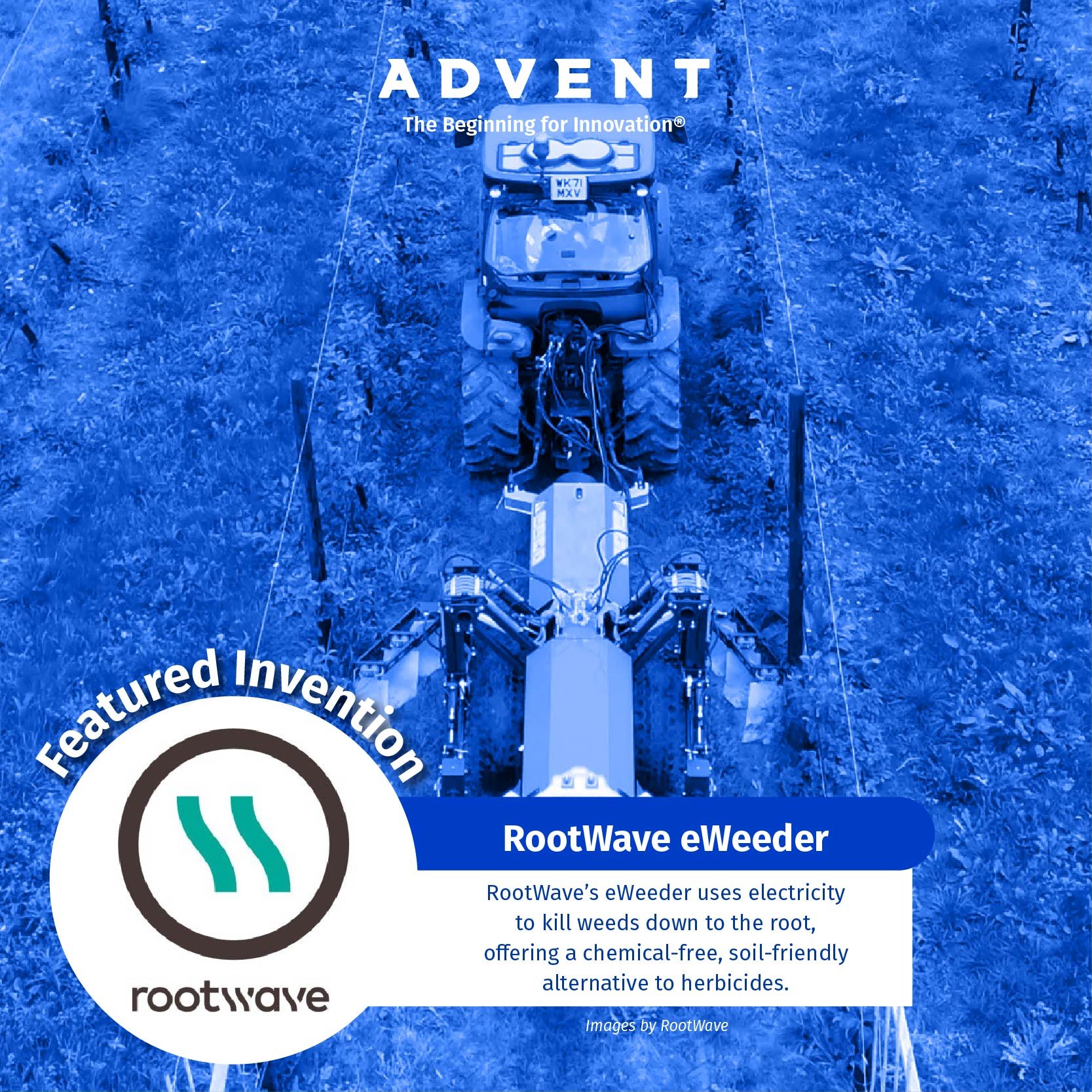
Weed management is a key part of every production system, and growers have many tools available to meet their agronomic and operational needs. RootWave’s eWeeder (recognized by TIME as one of the Best Inventions of 2025) offers an electrical, non‑chemical method that uses targeted energy to address weeds at the root level. This option may appeal to producers exploring a wider range of weed‑control strategies based on factors like crop type, sustainability goals, regulatory environments, or integrated management plans.
Rather than replacing existing tools, solutions like RootWave expand the range of approaches available to growers.
3. Scout Gen5: AI‑Driven Vineyard Management
Specialty crops such as vineyards often benefit from detailed, real‑time insights into plant health. Scout Gen5 (another TIME‑recognized innovation) uses AI‑enabled imaging and analytics to help growers monitor canopy conditions, detect early signs of pressure, and support targeted management decisions. Its data‑rich reports can complement existing scouting, crop modeling, and vineyard management practices.
Scout Gen5 illustrates how digital tools can work alongside traditional expertise to enhance operational awareness.
Looking Ahead: Innovation, IP, and the Future of Agriculture
As National Agriculture Month concludes, it’s clear that innovation in agriculture continues to take many forms—from AI and acoustic sensing to energetic weed control and beyond. For organizations across the sector, building a culture that encourages collaboration, experimentation, and knowledge sharing can help turn ideas into long‑term value.
IP protection remains central to innovation, enabling strategic investment, competitive advantage, and confident technology development. When innovation aligns with IP strategy, agriculture is better equipped to adapt and thrive.
National Agriculture Month is a reminder of the industry’s ongoing progress and of the shared commitment across producers, technology developers, and researchers to support the future of farming in all its forms.